
The Water Damage Restoration Process, Step by Step
What independent restoration companies typically do, from the first call to the last moisture reading, and what is different in a Utah Valley basement.
Get Free Quotes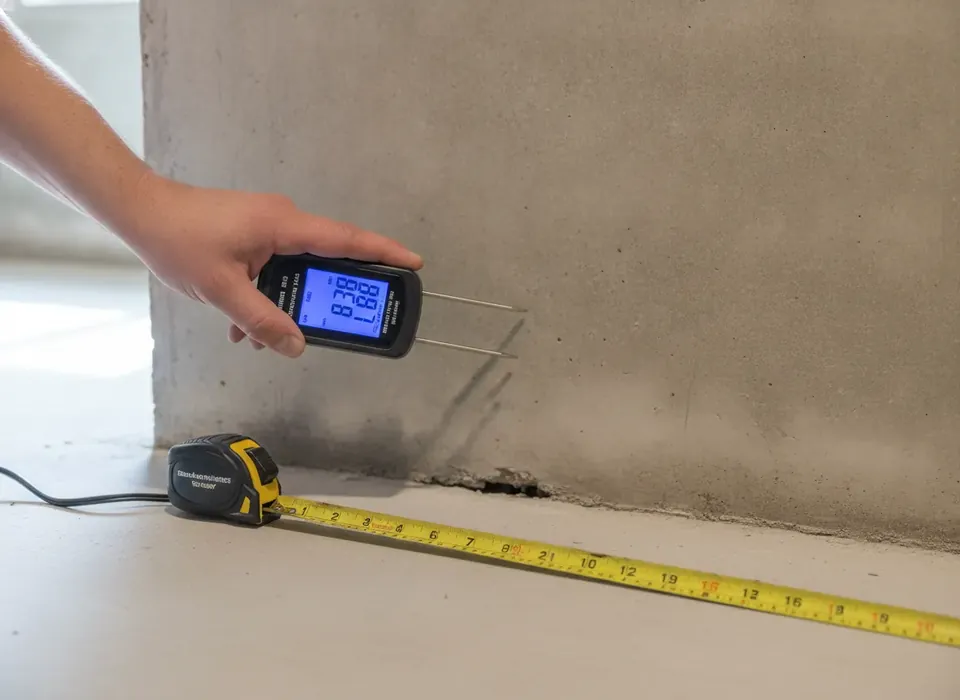
Who does what
Orem Water Damage Pros is a referral service. We don't perform or oversee any of these steps. The independent company you hire does the work under its own contract with you, and a licensed plumber fixes the pipe or fixture that leaked.
Knowing the usual order helps you ask good questions, compare quotes and spot a step that is being skipped.
The six usual steps
Call or send the form
The homeowner describes what happened through the form or by phone, and independent restoration companies get in touch directly. Have the source, the rooms affected and your insurer's name handy. Stop the water first if you can.
Inspection and moisture mapping
The company's technician finds where the water went with moisture meters and often a thermal camera, then marks wet areas on walls and floors. Photos and readings from this visit become the record your adjuster uses.
Water extraction
Truck-mounted or portable extractors pull standing water out of carpet, pad and concrete. Extraction removes far more water than air drying can, so it usually comes first.
Tear-out where needed
Wet carpet pad, swollen baseboard and the bottom of drywall are removed when they can't be dried in place. In homes built before 1980, ask whether an asbestos test is needed before drywall or ceilings come out.
Drying and monitoring
Air movers and dehumidifiers run for several days. The company returns to take moisture readings, moves equipment as areas dry, and keeps a drying log until materials reach a dry standard.
Rebuild and handoff
Once everything reads dry, the equipment comes out. Rebuild, such as drywall, paint, flooring and trim, is construction work and should be done by a DOPL-licensed contractor under a written contract.
Contents pack-out
When a basement or several rooms are wet, a restoration company may offer a pack-out. They inventory, photograph and box your belongings, move them out for cleaning and drying, and store them until the rooms are rebuilt.
- Ask for the written inventory and photos before anything leaves the house.
- Ask where items are stored and how they are cleaned, especially after sewage.
- Keep a list of anything thrown out. Your adjuster will want it for the contents part of the claim.
- Pull out irreplaceable items yourself first: documents, photos, medications, laptops and hard drives.
Pack-out is often priced separately from extraction and drying, so confirm it is in the written scope.
How long drying takes in a Utah basement
Most structural drying runs three to five days once equipment is set, but basements here vary more than that.
- Concrete holds water. A basement slab and foundation walls soak up water and give it back slowly, so the last readings often come from the concrete.
- Dry air helps. Utah's low humidity lets dehumidifiers work efficiently, though a closed basement in summer can still hold damp air.
- Groundwater can keep coming. If the water is seeping in from outside during snowmelt, drying won't finish until the source stops. A sump pump or drainage fix may come first.
- Finished walls slow everything down. Insulation and drywall trap moisture against the framing. A flood cut opens the wall so air can reach it.
The drying log, not the calendar, tells you when it is done. Ask the company to show you the final readings. There is more detail in how long it takes to dry a flooded basement.
Before anyone tears out drywall
Homes built before 1980 may need an asbestos test before wet drywall or ceilings are removed, especially rentals and condo buildings with more than four units (Utah DAQ R307-801). Pre-1978 homes need lead-safe certified renovators. In Orem, 37% of homes predate 1980; in Provo, 46%. See asbestos testing before tear-out.
Get a written contract with a licensed contractor and keep proof of full payment. In Utah, that is how a homeowner protects the house from subcontractor liens. You can check a license at DOPL in a couple of minutes.
Related: emergency water extraction · flooded basement cleanup · cost guide
Water where it shouldn't be? Get free quotes.
Tell us what happened and independent Utah Valley restoration companies can reply with no-obligation quotes.