
Fast growth
Lehi grew from 75,912 people in 2020 to an estimated 95,313 in 2025, about 26 percent, as Silicon Slopes filled in. That makes it roughly the size of Orem, 12.2 miles to the south.
Most of Lehi was built in the last 25 years, and a lot of it in the last ten. New houses still flood: window wells fill, basements get finished, and creeks rise. Describe your water problem once and independent, locally licensed companies can reply with free quotes.
Get a Free QuoteCensus figures explain why water damage in Lehi looks different from Orem or Provo.
Lehi grew from 75,912 people in 2020 to an estimated 95,313 in 2025, about 26 percent, as Silicon Slopes filled in. That makes it roughly the size of Orem, 12.2 miles to the south.
The median Lehi home was built in 2007. About 41 percent went up after 2010 and another 35 percent in the 2000s. The oldest plumbing in most neighborhoods is barely twenty years old.
About 75 percent of Lehi homes are owner-occupied. The homeowner is usually the one calling the insurer, the builder and the restoration company, often all on the same day.
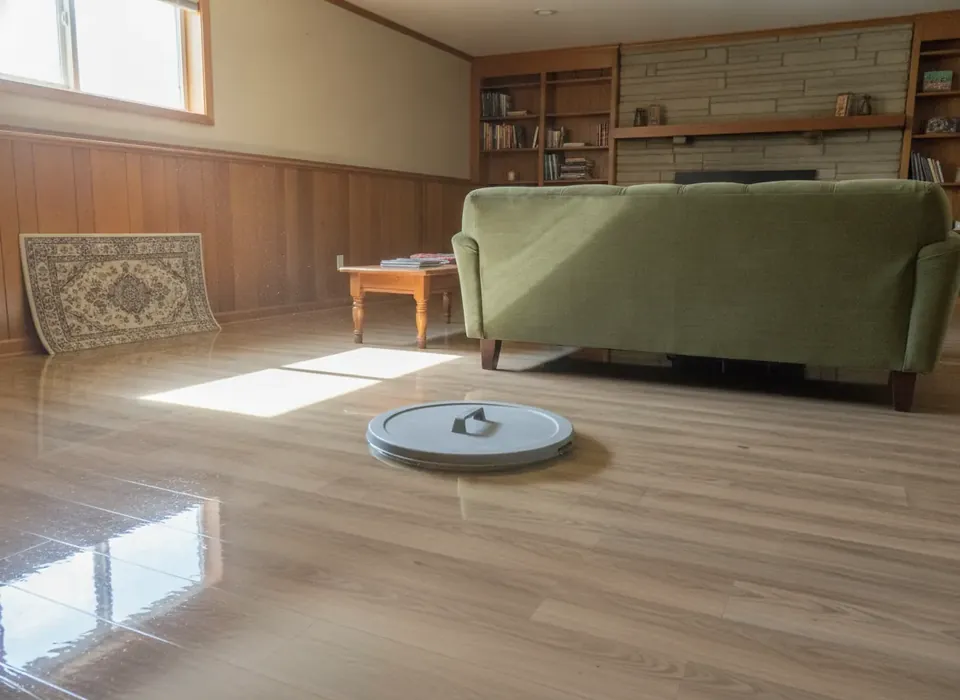
Local realtors say new Utah County homes typically come with unfinished basements, and families finish them as they grow. In Lehi that means many basements were framed, carpeted and drywalled after the builder left, sometimes below window wells that were never meant to hold a summer downpour.
When a well fills faster than its drain can take it, water comes through the window and runs straight across new carpet and pad. Lehi's city flood page advises keeping water away from window wells. Covers, clear drains and downspouts that discharge well away from the house all help.
If it has already happened, pull furniture off the wet carpet and get air moving. Wet pad under carpet rarely dries on its own. The flooded basement cleanup page covers what a company will typically remove and what can be dried in place.
In May 2019, Dry Creek reportedly overflowed during spring runoff and flooded two Lehi homes. In a separate storm, local news reported more than a dozen basement flooding calls in the area, some with five to six inches of water. Neither event was huge. Both show that a young neighborhood near a drainage can still take water when snowmelt or a cloudburst arrives faster than the ground can absorb it.
Remember the insurance line. Standard homeowners policies usually cover sudden water from inside, like a burst supply line, and usually exclude rising water from outside, which needs a flood policy. Flood policies through the NFIP generally have a 30-day wait, so buying one after a creek starts rising is too late. Check your policy.
Homes built in the mid-2000s are now at the age where original water heaters fail. Plumbers in the area report tank life of about 8 to 12 years in Utah's hard water. Washer hoses, fridge lines and softener fittings are next on the list. See water heater and appliance leaks.
Say what leaked, how many rooms are wet and whether the basement is finished. Independent Lehi-area restoration companies typically offer 24/7 emergency response, and quotes come directly from them. Many are IICRC-certified; ask. For water that is still spreading, call (385) 346-0996.
Tear-out and rebuild are licensed construction work in Utah. Check any company at dopl.utah.gov and get a written contract.
New homes leak too. Common causes are window wells that fill during a storm, grading that has settled toward the foundation, and sprinkler heads aimed at the wall. Lehi's own flood guidance advises keeping water away from window wells. A restoration company can dry the basement; a builder or landscaper usually fixes the drainage.
It depends on the warranty and the cause. Builder warranties often address workmanship defects for a limited period, while sudden pipe failures are usually a homeowners insurance question. Read the warranty, report the problem to the builder in writing, and notify your insurer too. Ask your adjuster or a Utah attorney if they disagree.
National guides put a typical job at about $1,200 to $5,000, and Angi's Salt Lake City metro average is about $5,256. Drying a 500 sq ft basement before any repairs runs roughly $2,000 to $7,000 per Fixr. Lehi quotes vary with how much finished space is wet and whether drywall and carpet must come out.
Tell us what happened and independent Utah Valley restoration companies can reply with no-obligation quotes.