
Utah Water Damage Insurance Claims: A Step-by-Step Guide
A water damage claim moves faster and goes more smoothly when you know what happens next and what the rules are. Utah sets deadlines for how quickly insurers must respond, rules for assignment of benefits, and a flat ban on contractors covering your deductible. This guide walks through a claim from the first phone call to the final payment.
It covers the claim process. Whether your loss is covered at all depends on where the water came from, which is explained in does homeowners insurance cover a flooded basement in Utah. This is general information, not legal advice. For your specific situation, ask your adjuster or a Utah attorney.
Step 1: Stop the damage and report the loss
Shut off the water, make the area safe, and photograph everything before cleanup. Then call your insurer or agent and report the loss. Write down the claim number, the date and time, and the name of everyone you speak with. Keep that log for the whole claim.
Most policies require you to take reasonable steps to protect the property from further damage. In practice that means getting standing water extracted and drying started, rather than waiting days for an adjuster. Ask the insurer if it wants anything kept for inspection, and keep receipts for any emergency work.
Step 2: Know your insurer's deadlines in Utah
Utah's unfair claims settlement rule, Utah Administrative Code R590-190, sets the clock once you file:
- 15 days to acknowledge. The insurer must acknowledge your notice of loss within 15 days, unless it pays the claim within that time.
- 15 days for forms and answers. It must send claim forms and instructions within 15 days, and give a substantive response within 15 days when you ask for one.
- 30 days to decide. Within 30 days after receiving a complete proof of loss, it must accept or deny the claim, or explain in writing why it needs more time.
- Updates every 45 days. If it needs more time, it must keep you informed with status letters every 45 days.
- Denials in writing. A denial must be in writing.
Note the trigger for the 30-day clock: a complete proof of loss. Ask your adjuster exactly what they need, send it promptly, and keep copies with the date you sent them.
Step 3: Document the loss properly
Good documentation does more for a claim than anything else. Aim for:
- Photos and video of every wet room, the waterline on walls, the source of the leak, and damaged belongings.
- A contents list with what each item is, roughly when you bought it and what it cost. Photograph items before they go to the curb.
- Moisture readings. Restoration companies log readings and drying progress each day. Ask for a copy of these logs.
- The plumber's report if a pipe or appliance failed. It often states the cause, which matters for coverage.
- Receipts for emergency purchases, hotel stays or meals if you had to leave the house. Ask whether your policy includes additional living expenses.
Step 4: Get an itemized estimate
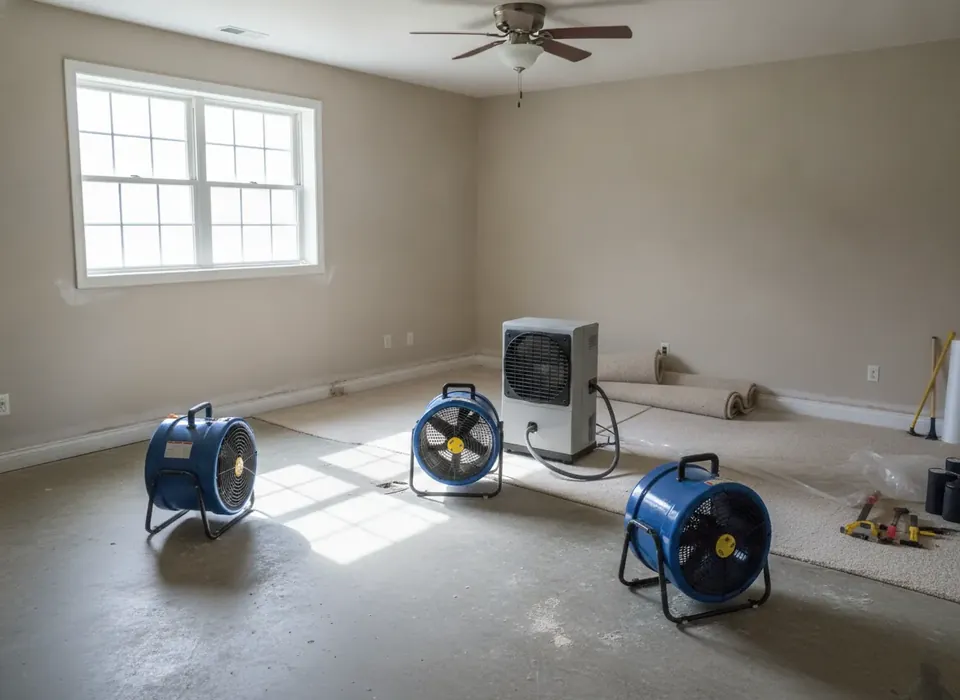
Insurers and restoration contractors usually price water damage by line item, often in estimating software called Xactimate. A useful estimate lists each task, such as extraction by square foot, removal of wet drywall, equipment days and antimicrobial treatment, with quantities. That lets your adjuster compare it line by line with their own.
For a rough sense of scale, national cost guides put a typical job at $1,200–$5,000, with Angi's nearest Utah figure for the Salt Lake City metro averaging about $5,256. Our water damage restoration cost guide has the full table. If the adjuster's number and the contractor's number differ, ask each to explain the specific line items that differ.
You choose who does the work. Orem Water Damage Pros connects you with independent, locally licensed restoration companies, and quotes come directly from the companies. You can request free quotes and compare more than one.
Step 5: Read any assignment of benefits before you sign
Some restoration companies ask homeowners to sign an assignment of benefits (AOB), which lets the contractor bill and deal with your insurer directly. That can be convenient, but it also gives up some control over your claim.
Utah Code 13-50-301 sets requirements for a post-loss AOB to a residential contractor. Among them:
- It must include an itemized description of the work and the total price.
- It must state that the contractor made no assurance the claim will be fully covered.
- It must carry a capitalized warning in at least 14-point type that you are agreeing to give up certain rights.
- It can't stop your insurer from talking with you, and it can't impair your mortgage company's interest.
If an AOB is missing those pieces, or you don't understand what it gives away, don't sign until you've talked with your adjuster or a Utah attorney.
Your deductible is yours to pay. It's illegal in Utah for a contractor to offer to cover your deductible. Utah Code 13-50-302 bars residential contractors from rebating or offering to rebate any part of it, and contracts paid by insurance must carry a written notice of that ban. A company that offers to "take care of" your deductible is a red flag.
Step 6: Check licenses and protect yourself from liens
Drying is only half the job. Tear-out and rebuild are construction work under Utah law, and most water damage repairs exceed the $7,000 handyman limit, which counts labor and materials together. Plumbing repairs must be done by a licensed plumber.
- Ask every company for its license number. Utah contractors must provide it on request.
- Look it up on the Utah DOPL license lookup at dopl.utah.gov. Our guide to checking a Utah contractor license walks through it.
- Get a written contract with a licensed contractor and keep proof of full payment. Under Utah Code 38-11-107 and 38-11-204, that's what generally protects an owner-occupied home from liens by unpaid subcontractors or suppliers.
In older homes, also ask whether an asbestos test is needed before wet drywall or ceilings come out. See asbestos testing before tear-out in Utah.
Step 7: Payment, mortgage checks and closing out
Large claim checks are often made out to both you and your mortgage company. The lender may hold the funds and release them in stages as repairs are completed. Call your lender's loss-draft department early to learn what they need.
Before you sign off, confirm the drying logs show the structure reached dry readings, that all rebuild work is finished, and that you have final invoices and lien-waiver paperwork where appropriate.
If your claim stalls or is denied
Ask the insurer to put its reasons in writing and to point to the exact policy language it relied on. Send any missing documents and keep copies. If you believe the insurer isn't following the rules, you can file a complaint with the Utah Insurance Department at insurance.utah.gov. For disputes about coverage or the amount owed, talk with a Utah attorney.
Frequently asked questions
How long does an insurance company have to respond to a claim in Utah?
Under Utah Administrative Code R590-190, the insurer must acknowledge your claim within 15 days. Within 30 days after receiving a complete proof of loss, it must accept or deny the claim or explain why it needs more time, then send status updates every 45 days. Denials must be in writing.
Can a contractor pay my deductible in Utah?
No. Utah Code 13-50-302 bars residential contractors from rebating or offering to rebate any part of an insurance deductible, and insurance-paid contracts must include a written notice of that ban. Treat any offer to cover or waive your deductible as a red flag.
Should I sign an assignment of benefits with a restoration company?
Read it carefully first. Utah law requires an AOB to a residential contractor to include an itemized scope and total price, a statement that no full coverage was promised, and a capitalized warning that you are giving up certain rights. If anything is missing or unclear, ask your adjuster or a Utah attorney before signing.
Where do I complain about an insurance company in Utah?
The Utah Insurance Department handles complaints about how insurers handle claims. You can file through insurance.utah.gov. Before you do, ask the insurer to explain its decision in writing and keep copies of everything you've sent and received, including dates.